Pest Control: Powerful Tactics to Guard Your Residence and Enterprise
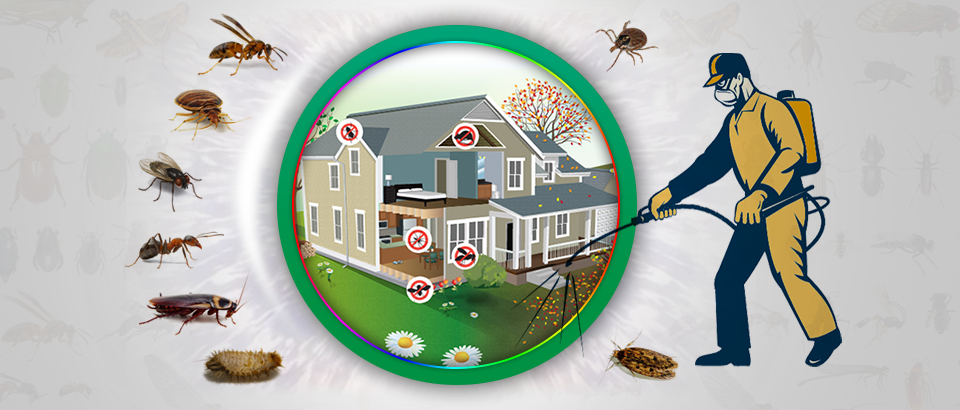
Pest Control: Successful Techniques to Preserve Your Property and Venture
Beginning to Pest Control
Pest Control involves the supervision or management of critters considered as pests – organisms that unfavorably impact human endeavors or habitats. In New Jersey, in which various biological communities converge with urban-adjacent and built-up growth, successful Pest Control is not only a luxury but a essential for upholding sanitary dwelling and working spaces. From the far-reaching localities of Monmouth County to the cohesive districts of Matawan, pest infestations can plague any individual, no matter of how spotless or adequately preserved their property may be.
The importance of using useful Pest Control techniques can't be overemphasized. For residents, pests can deteriorate architectural integrity, taint food reserves, and introduce major health dangers. Enterprises meet these equivalent issues, with the further apprehension of name destruction and possible forfeit of clients if outbreaks are located. Prevalent pests in New Jersey incorporate vermin like rats and mice, numerous arthropods such as ants, cockroaches, and bed bugs, and the remarkably destructive termites that can quietly weaken a building's foundation.
For What Reason Pest Control Is Significant
Health Threats of Pest Control Methods
Countless pests carry and convey diseases that can harm individuals and pets. Small mammals are identified vectors of hantavirus, salmonella, and leptospirosis. Cockroaches can cause asthma episodes and allergic sensitivities, notably in juveniles. Ticks, abundant in New Jersey's woodland regions, are distinguished for transmitting Lyme disease, while mosquitoes can transmit West Nile virus and Eastern Equine Encephalitis. Expert Pest Control helps reduce these health perils by exterminating the foundation of these possible disease vectors.
Structure Harm in Pest Control
The skeletal harm generated by pests can be significant and costly. Termites singly cause over $5 billion in structure harm per year throughout the United States, with New Jersey homes being specifically defenseless due to the state's climate. Rats and mice can bite through electrical cables, causing fire threats, while their incessant chewing can destroy padding, pipes, and wood architectural elements. Even apparently non-threatening ants can compromise timber structures if neglected unmanaged, specifically carpenter ants which are widespread in Monmouth County.
Financial Repercussions of Pest Control Services
Dismissing pest incursions can result in important economic results. What can originate as a slight invasion necessitating straightforward procedure can promptly escalate into a considerable predicament requiring wide-ranging restoration. For enterprises, chiefly those in the food service or accommodation businesses, pest incursions can cause failed health reviews, momentary suspensions, and long-term detriment to reputation and client reliance. Investing in periodic Pest Control is not merely about instantaneous convenience—it's a continuing pecuniary defense.
Pest Control: Usual Family and Business Pests
Vermin (Rats and Mice)
When it involves identifying rodent incursions in your New Jersey home, watchfulness is vital. You could see dung near food provisions, in drawers, or underneath sinks. Chew marks on food packaging, lumber, and electrical lines are obvious marks of their presence. At night, you may distinguish scraping sounds in barriers, overhead surfaces, or below floors as these nocturnal critters grow vigorous. If you detect shelters built from torn stationery, fabric, or dried plant matter, that's a plain sign rodents have built themselves settled. Slick rub marks adjacent to baseboards and walls manifest as rodents apply the similar paths recurrently, while your pets may demonstrate atypical deportment such as yapping or clawing at spots beneath appliances or fixtures where rodents conceal.
Small mammals in New Jersey homes and establishments create many risks past pure annoyance. They can contaminate food and preparation surfaces with microbes found in their urine and stools. Their constant requirement to munch can impair belongings, notably electrical lines, which generates fire risks. In Matawan and nearby zones, the Norway rat and house mouse are remarkably problematic, succeeding in both densely populated and peripheral surroundings. Effective Pest Control steps are essential to handle these devastating encroachers.
Insects (Ants, Cockroaches, Bed Bugs)
Invertebrate infestations reveal themselves in various methods relative to the species. Ant troubles get clear when you see noticeable ant paths going to food supplies, or when you detect tiny stacks of earth or wood shavings constructed by carpenter ants. Cockroach incursions often show themselves through dark droppings looking like coffee grounds or black pepper, a singular musty aroma that infiltrates plagued zones, and the manifestation of egg envelopes in camouflaged corners. Bed bug infestations manifest as rust-colored stains on mattresses and fixtures, shed skins near lounging places, small blood spots on sheets, and irritating red bumps on skin commonly organized in a row or cluster.
Invertebrates exemplify the most different category of pests in New Jersey. Cockroaches can prompt asthma and sensitivities while transmitting several pathogens. Bed bugs, while not disease spreaders, produce considerable unease, sleep interruption, and affective misery. Certain ant types, like carpenter ants prevalent in Monmouth County's sylvan places, can inflict constructional injury equivalent to termites throughout time. Specialized Pest Control businesses can determine distinct insect kinds and execute specific handling plans that address the specific habits and fragilities of each pest.
Termites
Identifying termite behavior rapidly needs understanding the nuanced indications of their manifestation. You can notice shed wings near apertures and access points after swarmers have discovered a mate and set up a new nest. Mud tubes on outdoor surfaces, wood beams, or in crawl spaces operate as shielded highways for these damaging critters. Wood that sounds vacant when hit signals termites have been gorging from within. Portals and windows that abruptly bond may indicate contorting from termite deterioration, while split or rising paint resembling water damage often camouflages termite activity beneath. Detecting frass—termite droppings reminiscent of diminutive wood-colored specks—delivers another proof of their undesirable existence.
Termites create perhaps the most substantial skeletal peril between all typical pests. In New Jersey, the Eastern subterranean termite is common and specifically detrimental. These insects can remain concealed for durations while inflicting extensive devastation to wooden structural pieces. Homes in Matawan and around Monmouth County, mainly older houses, are defenseless to termite infestations. The typical outlay of term pest control.
Pest Control Safety Aspects
Proper Usage of Chemicals and Chemicals in Pest Control
When pesticides become required in your pest control approach, emphasizing safety needs focus to various vital methods that protect persons, companions, and the environment. Consistently review and follow product instructions precisely, as these binding instructions reflect extensive evaluation and official evaluation intended to limit risks. Utilize the smallest efficient volume of chemical to attain elimination while minimizing unnecessary product incorporation into your residential environment. Employ substances only in spaces specified on the product instructions, avoiding unauthorized applications that may generate unexpected hazards or reduce effectiveness. Don appropriate safeguarding equipment as stated by chemical producers to prevent individual contact during treatment. Maintain chemicals in their original bottles with instructions intact to keep availability to protection information and avoid confusion. Maintain comprehensive notes of all applications, noting substances applied, mixing ratios, locations serviced, and dates of application for future consultation. Allow proper curing and air circulation before returning to applied areas, specifically important in New Jersey's conditions where humidity can impact curing durations. Consider lower-toxicity choices when successful, as developments in pest elimination have developed many reduced-risk solutions that maintain effectiveness while minimizing likely risks.
Shielding Companions and Kids Throughout Pest Control Services
Specific measures turn vital when implementing pest control procedures in homes with susceptible household members. Relocate companions while performing treatment and until areas are cured to avoid direct contact with moist chemicals or gases that could cause negative reactions. Protect or relocate pet meals, water dishes, and items before service to avoid contamination that could cause accidental consumption. Store children's toys apart from service areas, particularly items that young children might put in their mouths. Clean and disinfect food making counters after application, even if they were not specifically treated, to eliminate any traces that might have gathered during service. Maintain children apart from serviced spaces for the recommended period, lengthening this duration for crawling infants who have greater direct contact with surfaces and bottom spaces. Examine pet-safe and child-safe product alternatives when available, as many recent chemicals focus on particular pest anatomy while decreasing human harm. Most significantly, notify professional applicators about the existence of pets, young ones, or pregnant family members before they design treatment plans, allowing them to change strategies and substance choices accordingly.
Legal Guidelines and Adherence with Pest Control
Pest control in New Jersey operates within a regulatory structure intended to protect general health and the surroundings while ensuring successful pest management. The New Jersey Department of Environmental Protection oversees pest control operations, requiring professional pest control organizations to meet particular standards. Businesses must utilize authorized applicators who have passed government examinations displaying skill in pest science, treatment procedures, and safety procedures. These businesses must keep correct protection insurance protecting both their applicators and their patrons from possible damages or harm connected with pest control operations. Strict standards govern chemical warehousing, shipping, and disposal to eliminate environmental exposure and unauthorized entry. Technicians must offer Safety Data Sheets upon request, detailing the features and risks of chemicals applied in applications. Alert standards relate for specific applications, specifically in multiple-unit buildings or business spaces with multiple inhabitants. Comprehensive service notes must be upheld, building an audit record of pest control procedures. Also, only products authorized for employment in New Jersey may be legally employed, guaranteeing that area ecological situations and environments have been evaluated in the licensing procedure. For industrial establishments in Matawan and throughout Monmouth County, additional regulations may pertain based on the industry, specifically for food service, health, and childcare facilities where pest elimination intersects with further public health concerns.
Environmentally-Friendly Pest Control Alternatives
Comprehensive Pest Control (IPM) System
Integrated Pest Control represents the highest benchmark in today's pest control, focusing on lasting prevention through a mixture of strategies that decrease ecological effect while optimizing efficiency. The IPM method commences with comprehensive assessment and tracking to determine pest pressure accurately, setting up starting data about species existing and amount counts. This results in accurate identification of pest kinds, making certain management efforts aim at certain habits and weaknesses rather than implementing broad methods. Specialists establish threshold amounts that warrant response, acknowledging that the mere occurrence of a limited pests doesn't automatically call for treatment if populations remain below damaging levels. When control grows essential, IPM applies multiple treatment methods in cooperation, usually beginning with least-toxic techniques and escalating only when essential. Throughout the process, specialists review efficiency and adjust approaches as necessary, establishing a adaptable method responsive to shifting situations. Most significantly, IPM stresses avoidance over treatment, tackling physical and ambient aspects that support pest populations rather than only destroying current pests. Many pest control organizations in New Jersey supply IPM-based programs that align with the region's effort toward lower-risk pest treatment practices, particularly in delicate settings like schools, health centers, and nutrition preparation operations.
Non-Chemical Treatment Strategies
Successful pest control often includes non-chemical techniques that can solve or minimize pest troubles without inserting substances into the area. Physical blockades such as mesh, door strips, and closing prevent pest entry totally, addressing the concern at its origin. Physical methods like catches and exclusion systems remove present insects while stopping further infestations. Biological controls containing beneficial organisms and microbes add organic predators that focus on individual organisms while maintaining helpful life forms protected. Management techniques modify the setting to repel pests, such as adjusting irrigation timing to reduce moisture that brings certain pests. Environment modification minimizes harborage and food options, creating locations less attractive to unwanted occupants. For specific insects like bedbugs, heat treatments supply exceptionally effective control without harmful residues by increasing temperatures past the thermal killing point for all growth periods of the target pest. In the same way, cooling techniques for warehoused item pests like cereal bugs or food storage pests can eradicate invasions in consumable items without toxic pollution. These methods establish specifically beneficial in New Jersey's different settings, where proximity to marine bodies, conserved ecological locations, and heavy urban hubs generates various situations where pesticide reduction grows wanted or required.
Eco-Conscious Pest Control Management Methods
The pest control field persists to evolve toward more sustainable procedures that maintain efficiency while reducing surrounding impact. Botanical products extracted from natural substances like chrysanthemum extract, neem oil, and essential oils deliver focused control with limited duration in the surroundings. Microbial products having organisms, spores, or agents that attack particular pest insects provide precision that traditional broad-spectrum substances are unable to equal. Reproductive controllers that stop pest procreation by disrupting with growth phases deliver sustained number limitation without immediate harmful impacts on adult insects. Attractant traps that track or interrupt pest pairing aid identify when action becomes required and can stop mating in particular species. The field more and more uses reduced-risk products with reduced natural influence, changing away from older products with greater effects on unintended species. Accurate delivery systems that decrease overall pesticide application apply procedures specifically where necessary rather than broadcasting products over broad areas. Green certification programs for pest treatment businesses create standards for ecologically better assistance and offer consumers with clear marking of businesses committed to environmentally-friendly practices. In environmentally critical areas of New Jersey, featuring sections of Monmouth County with nearness to water sources, these green methods are notably important for defending both individual wellbeing and environmental systems while continue to providing efficient pest control.
Finding a Local Pest Control Service Provider in New Jersey
Capitol Exterminating System
272 NJ-34
Matawan, NJ 07747
(732) 441-1900
Commonly Asked Queries (FAQs) about Pest Control
How commonly should pest control be conducted?
For many New Jersey residences, four times yearly pest control offers proper defense against cyclical pest challenges. This schedule corresponds with the local distinct periods, each producing different pest issues that demand precautionary consideration. Early season services commonly tackle arising ant communities and dormant creatures becoming active. Summertime services focus on mosquitoes, parasites, and numerous airborne pests that prosper in warmer climate. Autumn services ready residences for small mammals and hibernating pests searching for harborage as climate decrease. Winter services sustain protection against interior insects while dealing with mouse and rat activity at its greatest. Though, this schedule may grow for homes with specific threat aspects or ongoing issues that call for greater comprehensive control. Properties near wooded regions in Monmouth County may advantage from further tick and mosquito applications throughout maximum times. Homes with background of individual pest issues frequently demand targeted subsequent applications over the typical four times yearly timing. Industrial establishments, particularly dining industry facilities in zones like Matawan, frequently call for every month service to keep agreement with health standards and eliminate problems that could injure image and enterprise operations.
Is qualified pest control protected for animals?
When carried out appropriately, specialist pest control can be protected for companions through cautious product picking and treatment procedures that decrease access. Today's specific employment methods and reduced-risk materials have significantly upgraded safety aspects against previous pest treatment approaches. Recent treatments frequently use mixtures explicitly developed to have limited harm to creatures while keeping productive against designated creatures with distinct biologies. Qualified applicators obtain instruction in treatment procedures that position chemicals in spots companions can't get to, such as wall gaps, splits and gaps, or back of devices. Though, companions should be taken away throughout treatment and until all procedures have solidified completely, obeying specific rest intervals recommended by the product company and professional. Aquarium systems should be enclosed and oxygen pumps turned off throughout treatment to prevent contamination from airborne debris. Pet objects containing sleeping areas, toys, and nutrition equipment should be removed or covered while performing treatment. Address any issues with your pest control company, who can recommend suitable pause times depending on the individual services applied and adapt strategies for families with specifically susceptible companions like flying animals or reptiles that may have different bodily vulnerabilities than felines and dogs.
What are the signs of a major pest infestation?
Apart from observable insects directly, various warning signs suggest possibly significant invasions needing quick pest control intervention. Strange smells frequently arise with significant issues – stale, greasy scents may show rodents, while sweet, nutty smells occasionally occur with German insect colonies. Mysterious construction deterioration like sagging floors, peeling coating, or crumbling timber may indicate termite damage or wood-boring ant problems harming building parts. Unusual sounds within partitions or attics, particularly at night, frequently reveal small mammal presence as these nighttime creatures turn active in concealed locations. Plentiful debris looking like tiny shavings near timber parts may in fact be frass or excrement from wood-destroying creatures. Some homes experience unexplained health troubles like lung problems or itching that go away when gone from house, likely showing bug infestations influencing inside environmental Capitol Exterminating System pest control condition. In New Jersey properties, specific consideration should be directed to cellar and under-floor locations where humidity troubles can maintain pest groups, specifically in older homes throughout Monmouth County where foundation cracks and crumbling material offer various entry places. Discovering several dead bugs of the matching kind implies a bigger colony close, while fat stains along floor edges reveal established mouse and rat pathways with ongoing use.
Can I prevent creatures without pest control chemicals?
Certainly, many organisms can be prevented through proper sanitation, blocking, and environment adjustment without applying toxic interventions. The cornerstone of natural pest control commences with complete barrier activities – closing fissures, holes, and holes that permit creatures to invade homes in the starting location. Installing entrance seals, restoring deteriorated mesh, and blocking utility openings stops typical invasion spots. Getting rid of food options through appropriate food keeping in secure receptacles, prompt elimination of accidents and crumbs, and frequent garbage removal substantially reduces draws that draw creatures inside. Reducing moisture by repairing dripping pipes, bettering airflow in wet spaces, and tackling water removal issues gets rid of the liquid origins multiple insects need. Preserving a separation region around buildings by pruning vegetation, taking away leaf waste, and holding firewood raised and distant from structures reduces shelter locations and invasion spots. Employing solid obstacles like copper mesh or steel wool to seal wider holes offers enduring blocking for small mammals and rats. Frequent maintenance that contains removal fissures and gaps gets rid of pest eggs and food particles that maintain pest development. For active issues, nonetheless, some form of management agent may be necessary to address established troubles, though numerous safer choices are available containing natural silica powder, boric compound, and bug-eliminating soaps that offer lowered danger compared to traditional chemicals.

What should I expect while having qualified pest control treatment?
A specialist pest control service commonly initiates with a complete examination to identify pest kinds, invasion spots, and favorable situations contributing to the issue. The technician should invest attention inspecting both inside and external areas, paying specific care to cooking areas, restrooms, basements, and boundary structural supports where pest movement frequently focuses. Subsequent to this assessment, the professional should describe their observations in depth and suggest a procedure plan customized to your individual case, addressing both the specific organisms and the methods recommended for treating them. You may be given preparation instructions before service, probably featuring moving furniture, emptying particular locations, or securing pets. In the course of the procedure, the professional will use suitable materials to designated locations depending on the pest varieties recognized, emphasizing on cracks, gaps, and pest harborage zones rather than distributing services across full spaces. They may place tracking tools like creature snares or attractant containers that aid track improvement and offer ongoing defense. After concluding services, a expert should detail any following-application care instructions such as airflow requirements, re-entry periods, or surfaces to sanitize. Before departing, they should set up subsequent appointments if required for specifically persistent organisms like bed bugs or German roaches that commonly require various procedures for entire removal. Within this process, professionals should welcome concerns and provide clear data about the materials and procedures utilized, reflecting their preparation and dedication to both success and wellness.
Efficient pest control is an important component of sustaining clean, harmless living and commercial spaces in New Jersey. From the moist warm seasons that bring mosquitos and ticks to the frigid seasons when small mammals look for shelter interior, pest pressures continue a ongoing worry for occupants and businesses in Monmouth County and Matawan. By knowing common creatures, implementing proactive procedures, and recognizing when to pursue specialist assistance, structure holders can defend their investments and the safety of occupants.
Adopting a proactive method to pest control is always greater productive and cost-effective than handling to existing problems. Consistent evaluations, correct care, and addressing tiny troubles before they worsen can eliminate the major expenses and interruptions related with major pest issues. When expert assistance becomes necessary, deciding on a trustworthy, authorized pest control provider who uses unified pest treatment methods provides successful solutions with reduced natural influence.